
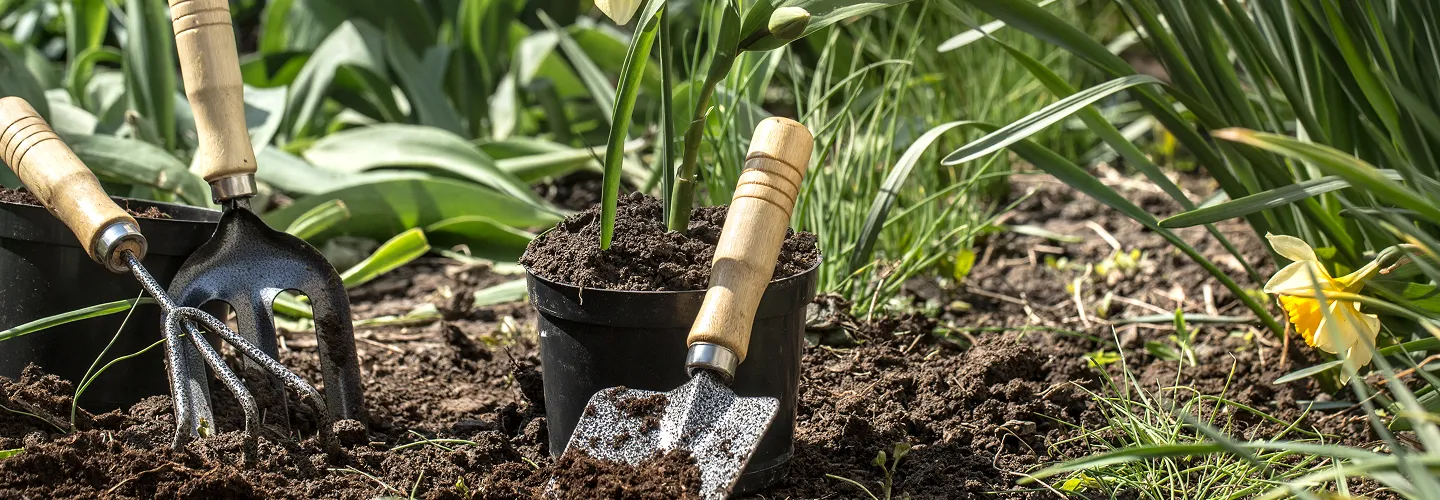
Oak Ridge North Fertilizing Lawn Services
Choose our expert fertilizing lawn services for lush, healthy grass that stands out in your neighborhood—our tailored treatments ensure your lawn gets the nutrients it needs for vibrant growth and long-lasting beauty.
Get a Free QuoteOur Oak Ridge North Landscaping & Yard Care Services
When to Schedule Fertilizing Lawn in Oak Ridge North, Texas – Seasonal Guide
In Oak Ridge North, Texas, timing your lawn fertilization is crucial for achieving a lush, healthy yard that thrives in our unique climate. The best periods for fertilizing are typically early spring—after the last frost—and again in early fall, when temperatures begin to cool but the soil remains warm. These windows allow grass roots to absorb nutrients efficiently, supporting robust growth and resilience against local stressors. Neighborhoods near Oak Ridge Grove Park and along Robinson Road often experience microclimates due to varying shade from mature trees and proximity to water features, which can influence the ideal fertilization schedule.
Local environmental factors such as unpredictable spring rainfall, summer drought risk, and the region’s clay-heavy soils all play a role in determining the best time to fertilize. Homeowners should also consider municipal guidelines and water restrictions, which can impact when and how often you can apply lawn treatments. For more information on local regulations and best practices, visit the Sudbury municipal resource.
Local Factors to Consider for Fertilizing Lawn in Oak Ridge North
- Tree density and shade coverage, especially in neighborhoods like Oak Ridge Forest
- Soil composition, with many areas featuring compacted clay soils
- Average precipitation and risk of summer drought
- Frost dates, typically ending in late February or early March
- Terrain variations, such as sloped yards near local parks
- Municipal restrictions on fertilizer application and watering schedules
Benefits of Fertilizing Lawn in Oak Ridge North
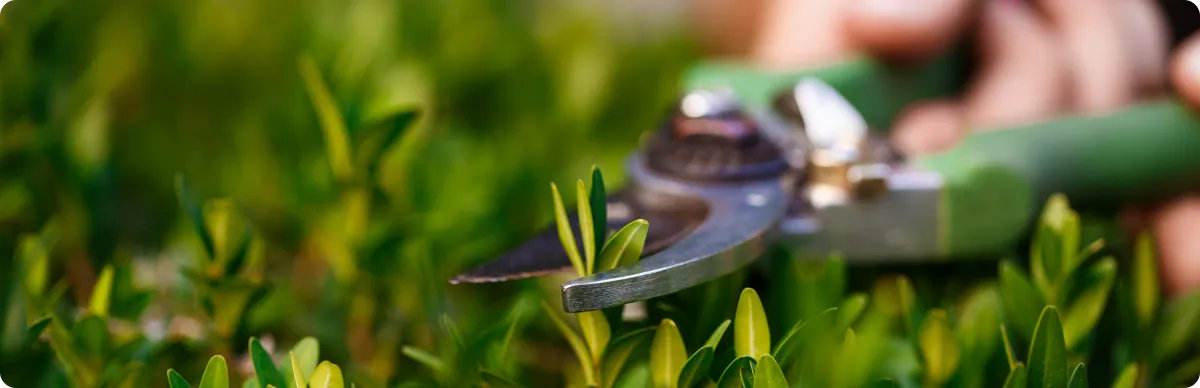
Enhanced Lawn Health
Improved Grass Color
Weed Reduction
Stronger Root Growth
Increased Disease Resistance
Thicker Turf Coverage
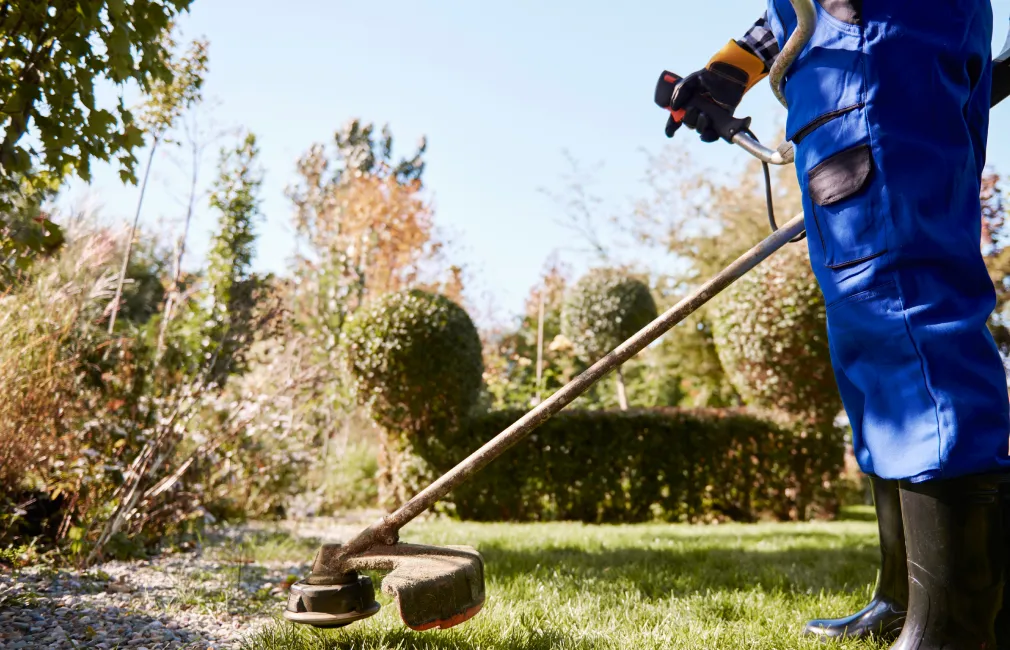
Oak Ridge North Fertilizing Lawn Types

Bermuda Grass Fertilization
-
St. Augustine Grass Fertilization
-
Zoysia Grass Fertilization
-
Centipede Grass Fertilization
-
Fescue Grass Fertilization
-
Buffalo Grass Fertilization
-
Ryegrass Fertilization
Our Fertilizing Lawn Process
Soil Analysis
Fertilizer Selection
Application Scheduling
Even Fertilizer Distribution
Post-Application Inspection
Why Choose Oak Ridge North Landscape Services
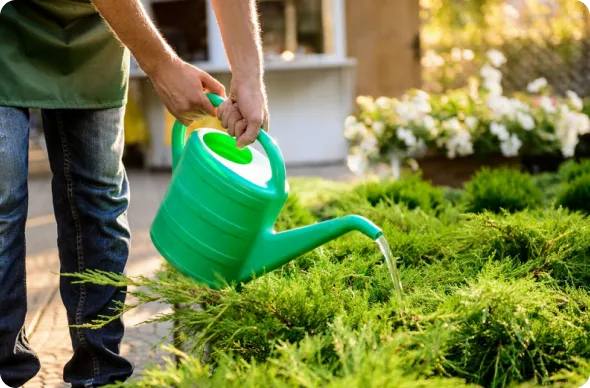
Oak Ridge North Homeowners Trust Us
-
Expert Lawn Maintenance
-
Reliable Scheduling
-
Competitive Pricing
-
Professional Team
-
Satisfaction Guarantee
-
Personalized Service
-
Locally Owned and Operated
Soil Series and Fertilizer Application Challenges in Oak Ridge North’s Blackland Prairie
Oak Ridge North’s predominant soils, including the Houston Black clay and related Vertisols, present unique challenges for lawn fertilization. These soils are characterized by high clay content, poor drainage, and a tendency to compact, which can limit nutrient uptake and root development. Soil pH typically ranges from 7.5 to 8.2, often requiring sulfur amendments to lower alkalinity for optimal turfgrass health. Before applying fertilizer, residents should conduct a soil test through Texas A&M AgriLife Extension (typical cost: $15-25) to determine nutrient needs and pH adjustments. Recommended practices include:
- Incorporating 2-3 inches of compost tilled to a 6-inch depth
- Applying lime only if pH is below 6.0 (rare in this region)
- Using slow-release nitrogen at 2-3 lbs per 1,000 sq ft annually For detailed soil mapping, consult the USDA Web Soil Survey.
Seasonal Fertilization Timing and Weather Considerations for Oak Ridge North Lawns
The USDA Hardiness Zone for Oak Ridge North is 9a, with a long growing season and hot, humid summers. Optimal fertilization windows are early May (soil temperature 55°F) and late September, avoiding the June-August heat stress period. The National Weather Service Houston/Galveston Office provides local soil temperature and rainfall forecasts, which are critical for timing applications to prevent runoff and maximize nutrient uptake. Key timing guidelines include:
- Spring fertilization: April 15 – May 15
- Fall fertilization: September 15 – October 15
- Avoid fertilizing before heavy rain events (check NWS forecasts)
- Water-in granular fertilizer within 24 hours of application These practices help reduce nutrient leaching and protect local waterways.
Municipal Ordinances and Fertilizer Use Regulations in Oak Ridge North
Fertilizer application in Oak Ridge North is governed by municipal ordinances designed to protect water quality and public health. Residents must comply with the following requirements:
- No fertilizer application within 50 feet of drainage ditches or water bodies
- Maintain a 25-foot buffer from wetlands and protected areas
- Equipment operation hours:
- Monday-Friday: 7:00 AM – 7:00 PM
- Saturday: 8:00 AM – 6:00 PM
- Sunday and holidays: Prohibited
- Use only licensed applicators for commercial fertilizer or pesticide use Enforcement is managed by the city’s code enforcement division.
Oak Ridge North Code Enforcement
27424 Robinson Road, Oak Ridge North, TX 77385
Phone: (281) 292-4648
Official Website: Oak Ridge North Code Enforcement
Violations may result in fines or remediation orders. For full ordinance text, visit the city’s website.
Environmental Compliance: Stormwater, Buffer Zones, and State Regulations
Oak Ridge North participates in the EPA Phase II MS4 stormwater program, requiring strict controls on fertilizer runoff. The Texas Commission on Environmental Quality (TCEQ) enforces the Texas Water Code and mandates:
- No fertilizer or grass clippings in storm drains
- 25-foot no-disturbance buffer from wetlands and riparian zones
- Immediate cleanup of spills or misapplications
- Use of phosphorus-free fertilizers unless soil test indicates deficiency
- Compliance with the Clean Water Act For technical guidance, consult EPA Region 6 and TCEQ resources. City staff coordinate with state agencies to ensure local compliance and protect Spring Creek and adjacent wetlands.
Professional Standards and Safety Protocols for Fertilizer Application in Oak Ridge North
All fertilizer applications in Oak Ridge North must adhere to professional safety and equipment standards. Operators are required to:
- Use commercial-grade spreaders calibrated for even distribution
- Wear ANSI Z87.1 safety glasses, chemical-resistant gloves, and steel-toed boots
- Maintain a 15-foot clearance from public sidewalks and storm drains
- Sharpen spreader blades every 20-25 hours of use
- Store fertilizers in sealed, labeled containers away from drainage areas
- Follow label rates: 2-3 lbs nitrogen per 1,000 sq ft annually Municipal oversight is provided by the Department of Public Works.
Oak Ridge North Public Works Department
27424 Robinson Road, Oak Ridge North, TX 77385
Phone: (281) 292-4648
Official Website: Oak Ridge North Public Works Department
For additional training, refer to Texas A&M AgriLife Extension best practices.
What Neighborhoods Do We Serve Throughout Oak Ridge North, TX?
- Oak Ridge Forest: Features mature trees and Houston Black clay soils with moderate drainage; properties often require soil aeration and careful fertilizer timing to prevent runoff into nearby drainage channels.
- Oak Ridge Grove: Newer development with compacted fill soils and smaller lot sizes; attention to soil testing and slow-release fertilizers is critical for healthy turf establishment.
- Oak Ridge North Central: Contains a mix of older and newer homes, variable soil compaction, and proximity to city parks; buffer zones are enforced near public green spaces.
- Oak Ridge North East: Located near Spring Creek, this area has floodplain soils and stricter buffer requirements; fertilizer use is limited within 50 feet of water bodies to protect sensitive habitats.
- Oak Ridge North West: Characterized by larger lots and higher tree density, requiring customized fertilizer schedules and increased monitoring for nutrient runoff.
- Oak Ridge North South: Close to commercial corridors, with increased impervious surfaces and stormwater management needs; compliance with MS4 stormwater regulations is emphasized.